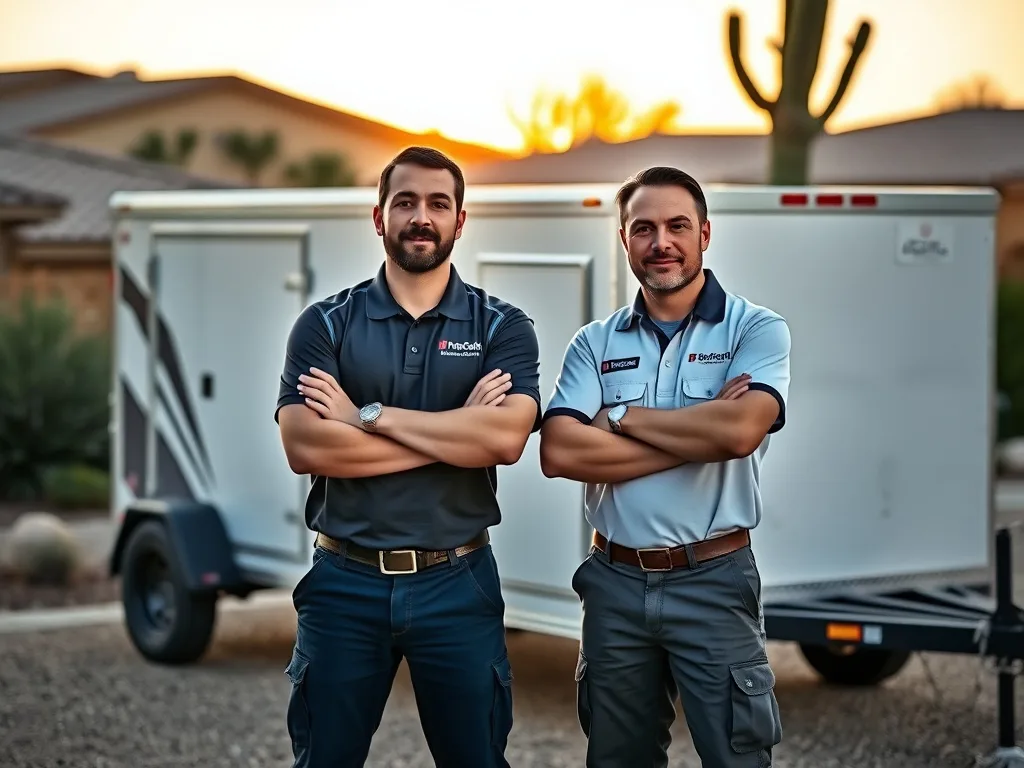
Who We Are
Desert Insulation Specialists, Not Generalists
PHX Spray Foam exists for one reason: the Phoenix climate punishes buildings in ways most insulation advice never accounts for. We build for it.
Most insulation playbooks were written for climates where the job is keeping heat in. Phoenix flips the problem: 110°F summers, attics that hit 160°F, AC ductwork baking in that heat, monsoon humidity spikes, and roof rats treating fiberglass like a hotel. Getting this right takes desert-specific judgment, not a franchise script.
That's the company we built. PHX Spray Foam is a specialized spray foam insulation contractor serving the entire Phoenix metro — from 1970s block homes in Mesa to custom builds in North Scottsdale and warehouses in Glendale. We spec open-cell where open-cell wins, closed-cell where the assembly demands it, and we'll tell you plainly when the cheaper strategy is the right one for your house.
Our crews train on hot-climate building science: unvented attic assemblies, Climate Zone 2B vapor behavior, Manual J implications of a sealed envelope, and the SRP/APS rebate programs that put real money back in Valley homeowners' pockets. When you call, you talk to people who spray foam for a living — not a lead-routing service.

How We Operate
The Standards Behind Every Job
Four commitments that shape every inspection, quote, and spray day.
Board-Foot Math, Shown
Every quote spells out square footage, thickness, foam type, and the per-board-foot rate. If a bid can't survive arithmetic, it isn't a bid — it's a hope.
Photos Before Promises
We inspect attics with a thermal camera and document what's actually up there. You see the evidence before you see a price.
Code Done Right
Unvented assemblies per IRC R806.5, ignition barriers where required, ventilation changes handled — the unglamorous items that separate pros from spray-and-pray outfits.
Rebates Without the Runaround
SRP and APS paperwork prepared as part of the job, and honest guidance on what's actually available in 2026 — including what isn't anymore.
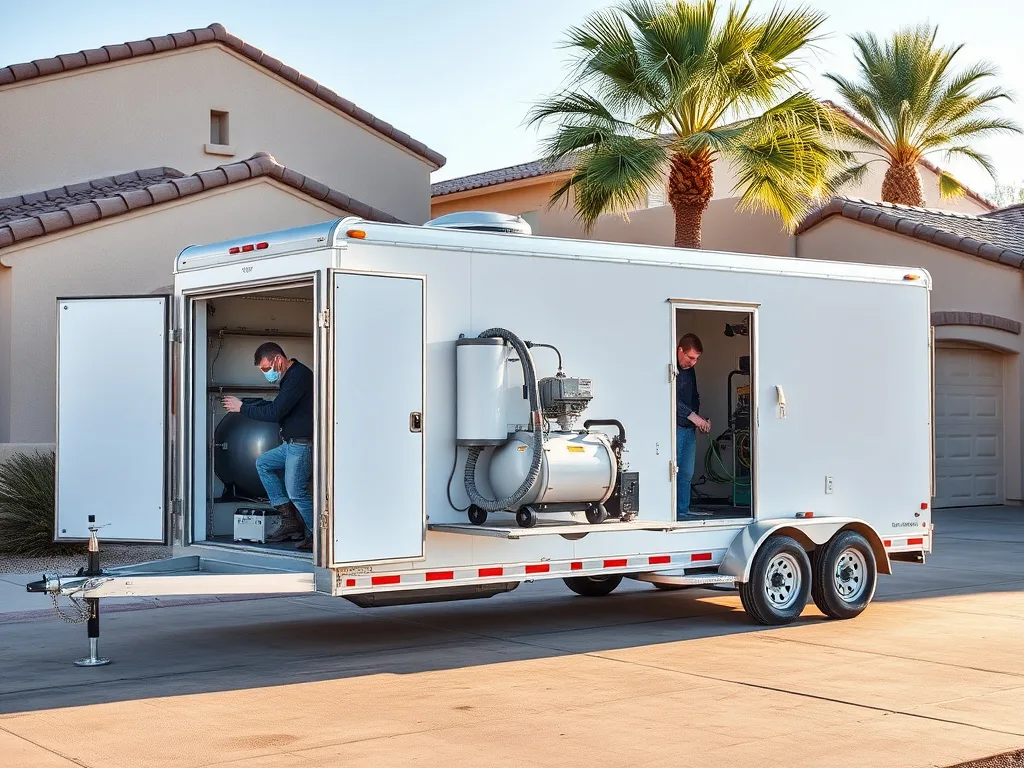
What to Expect
Your Project, Start to Finish
Every engagement starts the same way: someone from the crew — not a salesperson working commission math — walks your attic, garage, or building with a thermal camera and a flashlight. We measure existing insulation depth, check the ductwork, look for rodent evidence and air-sealing failures, and photograph all of it. If the honest answer is that a cheaper strategy fits your house better than foam, that's what the report says.
Quotes arrive in writing with the board-foot arithmetic visible: square footage, thickness, foam type, rate. On spray day the crew masks and contains the work area, sprays to spec, handles thermal and ignition barrier requirements, closes off old venting on sealed-attic conversions, and cleans up behind itself. Most homes take one to two days, with re-occupancy at 24 hours. Before we leave, we walk the finished work with you — thermal camera in hand — and prep any SRP or APS rebate paperwork you qualify for.
Desert Quick Facts
The Numbers We Build Around
- Phoenix is IECC Climate Zone 2B — hot-dry. Priority one is keeping heat out, and air sealing matters as much as R-value.
- Unconditioned Valley attics run 140–160°F June through September while outdoor air is 105–118°F.
- Ducts in an unsealed attic lose 25–40% of their cooling capacity before air reaches your rooms.
- Code floor is R-38 for attics under the 2018 IECC; we treat R-49 as the target for 2026 work.
- Open-cell foam delivers R-3.5–3.8 per inch at $0.45–$0.90 per board foot; closed-cell delivers R-6–7 at $1.00–$1.65.
- Sealed-attic conversions typically cut cooling bills 20–40% — roughly $600–$1,200 a year — with payback in 3–7 years.
Why It Matters
An Insulation Company Built Around One Climate
Specialization shows up in the details. We know which Valley neighborhoods run SRP versus APS, and what that means for your rebate. We know that a bonus room over a Chandler garage has three separate heat problems and that foaming only one of them wastes your money. We know roof-rat evidence when we see it, and that contaminated insulation has to leave before anything gets sealed.
We also know what not to sell you. Powered attic fans in a sealed attic. Radiant paint. A federal tax credit that expired at the end of 2025. The fastest way to lose a customer in a town this connected is to treat them like they won't check — so we operate as if everyone checks.
If that's the kind of contractor you want in your attic, we'd like to earn the work. Start with a free quote or browse our services to see how we approach your specific project.
Ready to Stop Paying to Cool the Desert?
Get a free, no-pressure spray foam quote for your Phoenix home or building. Most quotes delivered within 24 hours.