Phoenix Metro • Licensed Pros
Attic Insulation in Phoenix
Phoenix attics hit 150°F+. A sealed, foamed attic can run within 10°F of your living space.
On a 110°F Phoenix afternoon, the attic over your head is running 140–160°F — and for most Valley homes, your AC ducts are sitting right in the middle of it, losing 25–40% of their cooling before the air ever reaches a room. Sealing the attic with spray foam turns that oven into a semi-conditioned space within 10–15 degrees of the house, and it is the single highest-impact insulation upgrade you can make in the desert.
160°F
Peak attic temps
What unconditioned Phoenix attics hit in June–September while your ducts sit in them.
20–40%
Cooling-bill savings
Typical reduction after a sealed-attic conversion — $600–$1,200 per year for an average Valley home.
R-38+
Code floor, not the goal
Phoenix's Zone 2B code minimum. We treat R-38 as the starting point and spec toward R-49.
The Phoenix Attic Problem
Phoenix sits in IECC Climate Zone 2B — hot and dry — which means the entire insulation game here is keeping heat out, not in. And nowhere does that game get lost harder than the attic. When outdoor air is 108°F, solar load on the roof pushes an unconditioned attic to 140–160°F. Dark shingles push roof-deck temperatures higher still.
The real penalty isn't just heat soaking through your ceiling. In most single-story Phoenix homes, the air handler and every foot of ductwork live in that attic. Cooled air leaves the unit at 55°F and travels through sheet-metal and flex duct surrounded by 150°F air. By the time it reaches the far bedroom, a quarter to nearly half of the cooling you paid for is gone. That's why the back rooms never quite cool down and why your AC runs from noon to midnight in July.
Blown-in insulation on the attic floor does nothing about the duct problem — the ducts stay on the hot side of the insulation. This is the core reason spray foam at the roof deck has become the dominant retrofit strategy across the Valley.
Two Ways to Insulate an Attic — and Which One Fits Your Home
There are two legitimate strategies for a Phoenix attic, and an honest contractor will tell you which one your house actually needs rather than defaulting to the more expensive option.
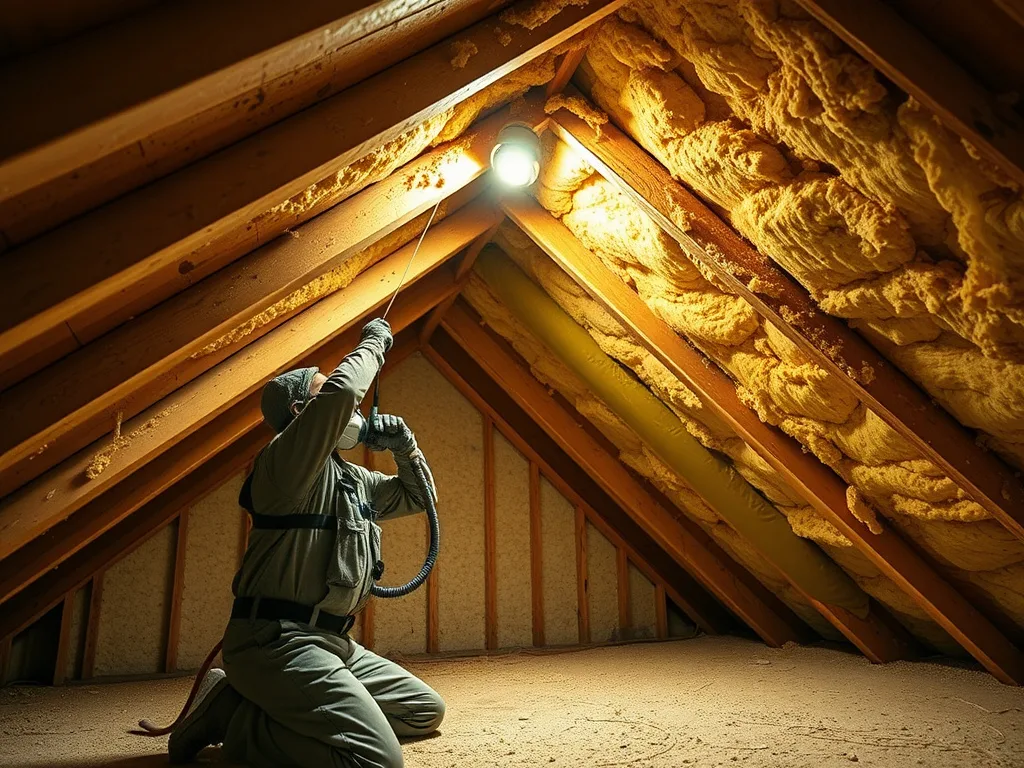
A sealed (unvented) attic applies spray foam directly to the underside of the roof deck and gable ends, then closes off the soffit and ridge vents. The attic becomes a semi-conditioned buffer zone — typically within 10–15°F of your living space instead of 60°F hotter. Your ducts, air handler, and stored belongings all come inside the thermal boundary. This is the right call for the majority of Phoenix homes because most have attic ductwork.
A conventional approach air-seals the ceiling plane — every can light, top plate, and duct boot — then builds insulation depth on the attic floor to R-38 or better. It costs less and works well in the minority of homes where ducts run through conditioned space or under the slab.
- Ducts and air handler in the attic — sealed roof-deck attic wins, almost without exception
- Ducts in conditioned space — air-seal plus attic-floor insulation is the budget-smart play
- Two-story homes with bonus rooms — roof-deck foam solves the knee-wall and floor-cavity leaks that make those rooms unlivable
- Planned roof replacement — foam right after re-roof is perfect timing
What It Costs in Phoenix (2026 Numbers)
Attic roof-deck spray foam in the Phoenix metro runs about $1.50–$2.50 per square foot installed, which puts a typical 1,500–2,000 sq ft home at roughly $2,250–$5,000 depending on roof pitch, access, foam thickness, and whether old insulation needs to come out first. Most contractors, us included, carry a $1,500–$2,000 minimum job charge. Maricopa County homeowners paid an average of $2,123–$2,640 per attic install in 2026.
Utility rebates take a real bite out of that. SRP offers up to $600 off professional attic insulation upgrades when an attic under R-19 is brought to R-38+ with air sealing by a participating BPI-certified contractor. APS offers up to $250 through its Home Performance with ENERGY STAR path for severely under-insulated homes. Income-qualified households can stack Arizona HEAR rebates on top. One honest note you won't hear from every competitor: the federal 25C tax credit ended December 31, 2025 — insulation installed in 2026 does not qualify for a federal credit, no matter what an outdated sales page says.
| Scenario | Typical range | Notes |
|---|---|---|
| 1,500 sq ft roof deck, open-cell | $2,250–$3,750 | Most common Valley retrofit |
| 2,000 sq ft roof deck, open-cell | $3,000–$5,000 | Larger single-story or two-story |
| Removal + reset + foam | add $1–$2/sq ft | Required for rodent-contaminated attics |
| SRP rebate | up to −$600 | R-19 or less improved to R-38+, participating contractor |
| APS rebate | up to −$250 | Home Performance path, R-7 or less existing |
What Happens to Your AC After a Sealed Attic
The first thing homeowners notice is runtime: the system that used to run flat-out from noon to midnight starts cycling normally, even in August. Duct losses drop to near zero because the ducts now live in 85–95°F air instead of 150°F air. Rooms at the end of long duct runs finally reach setpoint.
The second effect shows up at replacement time. A sealed, foamed envelope cuts the calculated cooling load enough that a Manual J recalculation often supports a smaller unit — five tons down to three-and-a-half or four is common. A right-sized unit costs less to buy, and it dehumidifies far better during monsoon season because it runs longer, steadier cycles instead of short-cycling. We provide the envelope data your HVAC contractor needs to run those numbers.
Radiant Barriers, Attic Fans, and Other Half-Measures
Phoenix homeowners get pitched a lot of attic products, so here's the straight comparison. Radiant barriers reflect some solar gain and can trim attic temps 10–20°F, but they do nothing about air leakage or duct losses — they're a supplement, not a solution, and in a sealed attic they're redundant. Powered attic fans are worse than useless in a sealed design: they depressurize the attic and can pull conditioned air out of the house through every ceiling gap. Part of our sealed-attic conversion is removing or disabling them.
Spray foam at the roof deck addresses all three heat paths at once — conduction (R-value), infiltration (air seal), and duct loss (ducts brought inside). That's why it consistently outperforms nominally similar R-value assemblies built from loose fill plus gadgets.
Roof Rats, Dust, and the Case for a Clean Reset
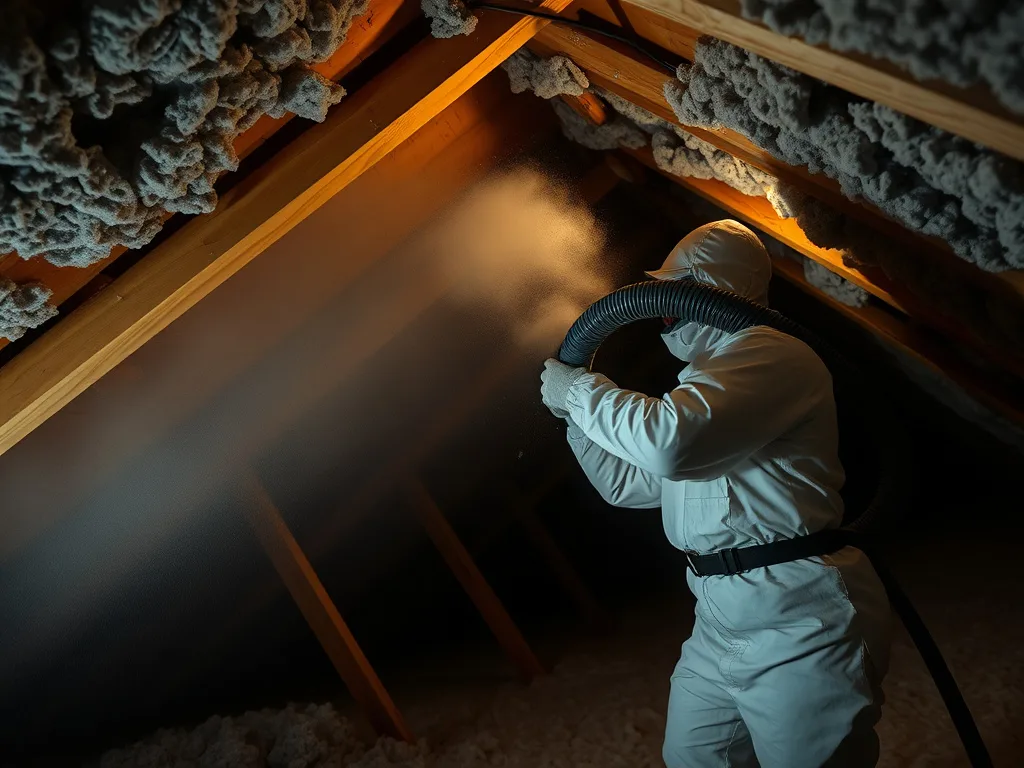
Roof rats are a genuine problem in Phoenix — especially the Arcadia corridor and older citrus neighborhoods — and fiberglass attic insulation is their favorite nesting material. If your attic has droppings, tunnels, or chewed wiring, the contaminated material needs to come out before anything gets sealed. We HEPA-vacuum the old insulation, bag it out, sanitize, and seal the entry points as part of the same project.
Cured spray foam, unlike fiberglass, is not a material rats can burrow into and shred, and foaming the roof-to-wall joints and penetrations closes the highways they use to get in. Sealing the attic doesn't just save energy — it takes away both the hotel and the road that leads to it.
Our Attic Insulation Process
Every project starts with a free attic inspection — we photograph what's up there, measure existing insulation depth and effective R-value, check the ductwork, and look for rodent evidence and air-sealing failures. You get the photos and a written scope, not a guess from the driveway.
Install day is straightforward: we mask and contain the work area, spray the roof deck and gables to spec, close off the old venting, and handle any code items like ignition barrier coatings. Most homes are done in one to two days. You'll be out of the house on spray day with re-occupancy at 24 hours, and we walk the finished attic with you — thermal camera in hand — so you can see the boundary we built.
- Free inspection with photos and measured R-values
- Written scope and fixed quote — board-foot math shown, no mystery pricing
- Removal, sanitizing, and pest sealing when needed
- Spray, cure, code items, and cleanup in 1–2 days
- Rebate paperwork prepared for SRP or APS submission
Common Questions
Attic Insulation FAQs
Straight answers from the crew that does the work. More on our full FAQ page.
Have a different question? Read all 26 FAQs or see our 2026 Phoenix cost guide.
Related Services
You Might Also Need
Open-Cell Spray Foam
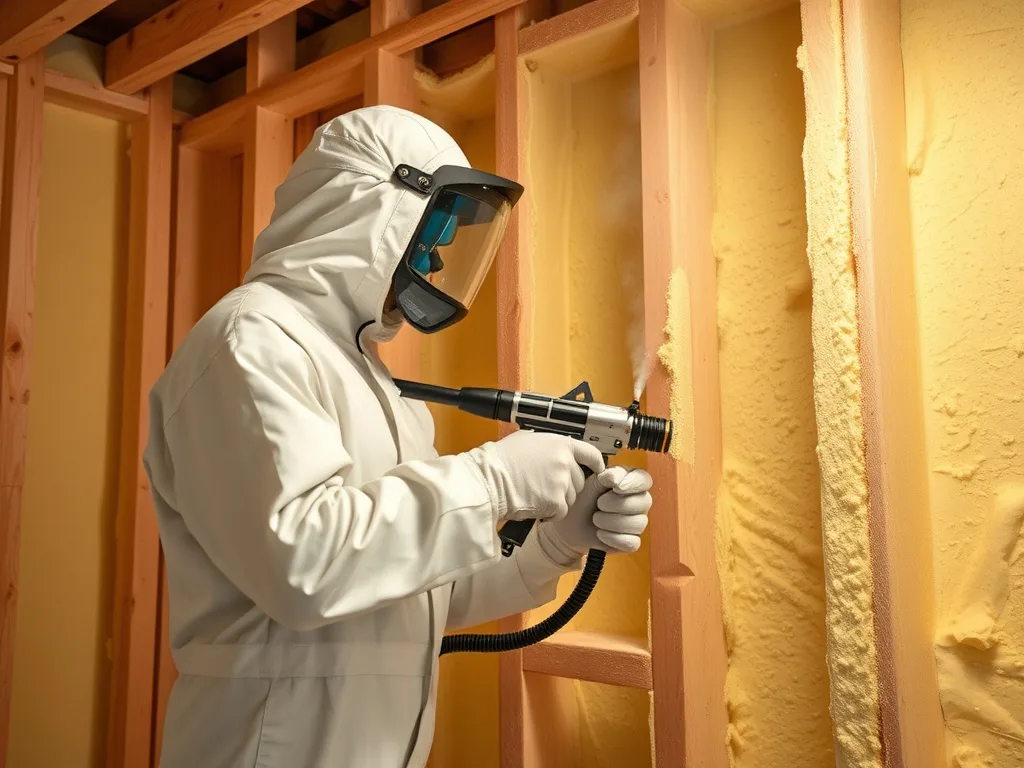
Budget-friendly air sealing and sound control — the workhorse for Phoenix attics and interior walls.
Insulation Removal
Roof rats, dust, and 30-year-old fiberglass — we vacuum it all out and replace it right.
Energy Audits
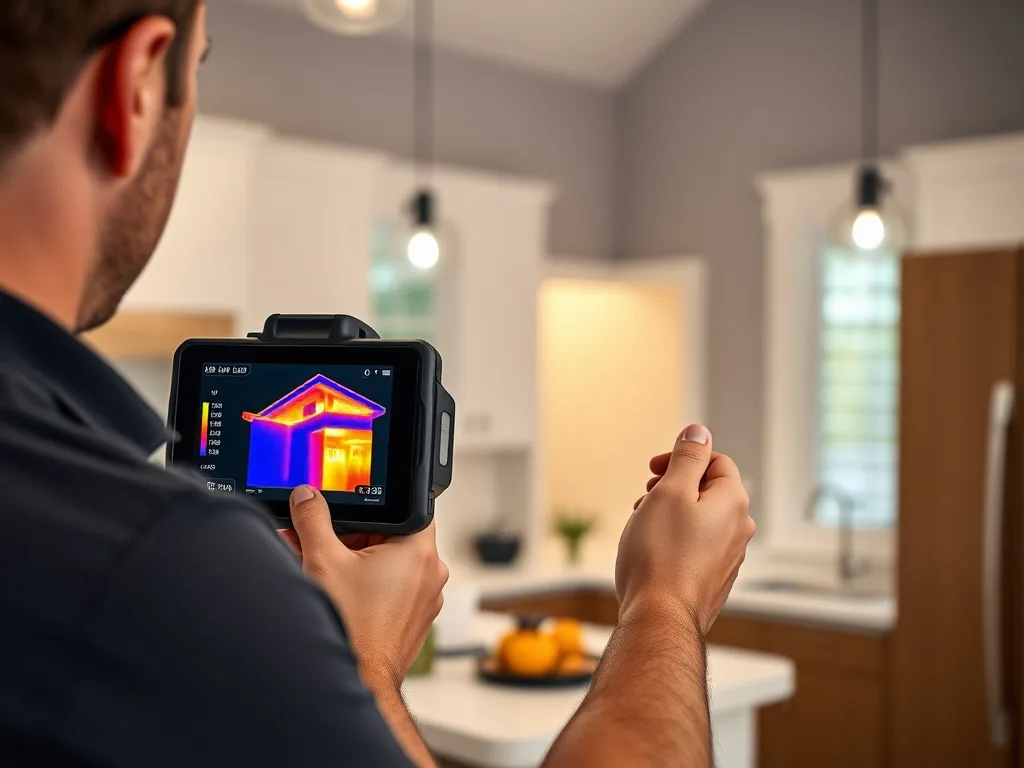
Thermal imaging finds exactly where your cold air escapes — and what it's costing you.
Ready to Stop Paying to Cool the Desert?
Get a free, no-pressure spray foam quote for your Phoenix home or building. Most quotes delivered within 24 hours.