
Phoenix Metro • Licensed Pros
Energy Audits & Savings in Phoenix
Thermal imaging finds exactly where your cold air escapes — and what it's costing you.
A $450 July electric bill is not a mystery — it is a measurement waiting to happen. A professional energy audit puts numbers on exactly where your cool air goes: a blower door measures how leaky the house is, a thermal camera shows where, and a duct test tells you how much of your AC's output never reaches a room. You leave with a written report, a prioritized fix list, and the rebate paperwork mapped out — not a sales pitch.
25–40%
Duct losses we measure
What attic ductwork in a 140–160°F Phoenix attic typically gives up before air reaches your rooms.
$600–$1,200
Typical yearly savings
What a 20–40% cooling reduction is worth on an average Valley home's bill once the fixes are done.
Up to $600
SRP rebate on the table
SRP's attic insulation rebate through participating BPI-certified contractors — APS offers up to $250 more.
What a Real Energy Audit Includes
An energy audit is instrumentation, not opinion. We set a calibrated blower door in an exterior doorway and depressurize the house to measure total air leakage — the single number that tells you how much 110°F outside air your AC fights all summer. With the house under pressure, a thermal imaging camera makes every leak visible: glowing can lights, hot top plates, the chase behind the fridge nobody has seen since 1987.
Then we go where the losses live. We pressure-test the duct system to measure leakage directly, inspect the attic and photograph what is up there, measure insulation depth and calculate its true effective R-value, and check the big offenders — kneewalls, sunken-room transitions, whole-house fan openings, and weather stripping. Every finding goes in the report with a photo.
- Blower-door test — measured whole-house air leakage
- Thermal imaging scan — walls, ceilings, and penetrations under pressure
- Duct leakage test — how much cooling escapes before reaching the rooms
- Attic inspection — insulation depth, effective R-value, rodent evidence, photos
- Written report — prioritized fixes with cost bands and rebate eligibility
What We Find in Phoenix Homes, Over and Over
After enough Valley audits, the findings become predictable by home vintage. Homes built in the 1970s and 80s almost always show R-11-era attic insulation that has settled and drifted — an effective R-value in the single digits in spots — under a roof deck hitting 140–160°F all summer. That combination is why so many Mesa and Glendale block homes cannot hold setpoint after 3 PM.
Ductwork is the second repeat offender. We regularly find crushed flex duct behind furnace platforms, disconnected takeoffs blowing cooled air straight into the attic, and unsealed boots leaking at every register. Add can-light leakage — a dozen recessed fixtures acting like open chimneys into the attic — plus sunken living room chases and whole-house fans that never sealed properly, and the average pre-2000 Phoenix home has a leakage number that surprises its owner every time.
None of this is visible from the hallway thermostat. That is the point of the audit: it replaces guessing with a measured, ranked list, so your first dollar goes to the fix with the biggest return instead of the product with the best commercial.
The Savings Math, Honestly Stated
Sealing and insulating a leaky Phoenix envelope typically cuts cooling costs 20–40%, which on an average Valley home works out to $600–$1,200 per year. The audit tells you where your house sits in that range before you spend anything: a tight 2015 build with good ducts will land at the low end, while a 1978 ranch with R-11 insulation and leaky attic ductwork is a top-of-range candidate. Most insulation projects here pay back in 3–7 years, and attic roof-deck jobs with ducts in the attic tend toward the fast end.
Rate plans amplify the result. SRP's EZ-3 and APS's time-of-use plans reward shifting load away from peak hours, and a tight envelope is the cheat code — you pre-cool the house on cheap off-peak power and it coasts through the expensive window instead of bleeding the cool air back out. The audit report includes plan-fit notes because insulation and rate strategy work better together than either does alone.
Rebate Navigation: SRP, APS, HEAR — and One Dead Credit
The rebate landscape in 2026 is worth real money, but the eligibility rules are specific and the paperwork matters. We handle it as part of the job. SRP offers up to $600 off professional attic insulation when an attic under R-19 is brought to R-38 or better with air sealing, installed by a participating BPI-certified, Arizona-licensed contractor — which we are. APS offers up to $250 through its Home Performance with ENERGY STAR path for homes starting at R-7 or less. Income-qualified households can stack Arizona HEAR rebates, administered through the Governor's Office of Resiliency, on top of the utility money.
Now the honest note you will not find on every competitor's site: the federal 25C Energy Efficient Home Improvement Credit is dead for 2026 installs. It was terminated after December 31, 2025, so insulation installed this year does not qualify for a federal tax credit — no matter what an outdated sales page promises. Projects completed in 2025 can still be claimed on 2025 returns, but if a salesman is dangling a 30% federal credit on 2026 work, he is either behind the news or hoping you are.
| Program | Amount | Key eligibility (2026) |
|---|---|---|
| SRP insulation rebate | Up to $600 | Attic under R-19 brought to R-38+, air sealing, participating BPI-certified contractor |
| APS Home Performance | Up to $250 | Existing insulation R-7 or less, ENERGY STAR path requirements |
| Arizona HEAR | Income-qualified | IRA Home Energy Rebates; stacks with utility rebates |
| Federal 25C credit | $0 | Terminated after Dec 31, 2025 — 2026 installs do not qualify |
Your Report and the Fix-It Order
The deliverable is a written report with photos, measured numbers, and a ranked action list — not a brochure. And the ranking follows building-science order, because sequence changes what you get for the money: air seal first, because leaks undercut any insulation laid over them; insulate second, once the ceiling plane or roof deck is tight; seal the ducts third, so the cooling you make actually arrives; and only then talk about shade screens and glazing.
Just as important is what we will tell you not to buy. Powered attic fans get pitched hard in Phoenix, and in a sealed attic they are actively harmful — they depressurize the space and pull conditioned air out of the house. Radiant paints and gadget fixes rank below every item on the list above. If a product does not move your measured numbers, it does not make the report.
- Step 1 — Air seal the ceiling plane or roof deck: biggest return per dollar
- Step 2 — Insulate to R-38 minimum, R-49 preferred for Zone 2B
- Step 3 — Seal and repair ductwork so the cooling arrives where you paid to send it
- Step 4 — Shade, glazing, and thermostat strategy once the envelope is right
From Audit to Install — Your Fee Comes Back
The audit is designed to stand alone: if the report says your house is tight and your money is better spent on a rate-plan change, that is what it will say. But when the numbers point to insulation or air-sealing work and you hire us to do it, the audit fee is credited toward the project. You are never paying twice for us to learn your house.
The follow-through is measured, too. On projects that started with a blower-door number, we can test again after the work and show you the before-and-after — the same instrument, the same house, a smaller number. That is what accountability looks like in this trade: measurements at the start, measurements at the end, and a bill that goes down in between.
Before and After, by Home Vintage
A 1970s block ranch is the classic Valley audit: R-11 or thinner attic insulation, original ductwork, leaky can lights, and single-digit effective R-value over the hottest rooms. These homes are the 30–40% savings candidates — a sealed attic with the ducts brought inside the boundary transforms both the bill and the 4 PM comfort cliff.
A 1990s frame production home usually tests better on paper but hides a two-story problem: bonus rooms over garages with open kneewalls, long duct runs, and attic bypasses at every chase. Targeted sealing plus attic work typically lands these in the 20–30% band. A 2010s build tests tighter still, and the audit often finds its money in duct sealing and rate-plan strategy rather than bulk insulation — which is exactly what the report will say, because the instrument readings, not a sales quota, decide the recommendation. Call 844-967-5247 to book your audit.
Common Questions
Energy Audits FAQs
Straight answers from the crew that does the work. More on our full FAQ page.
Have a different question? Read all 26 FAQs or see our 2026 Phoenix cost guide.
Related Services
You Might Also Need
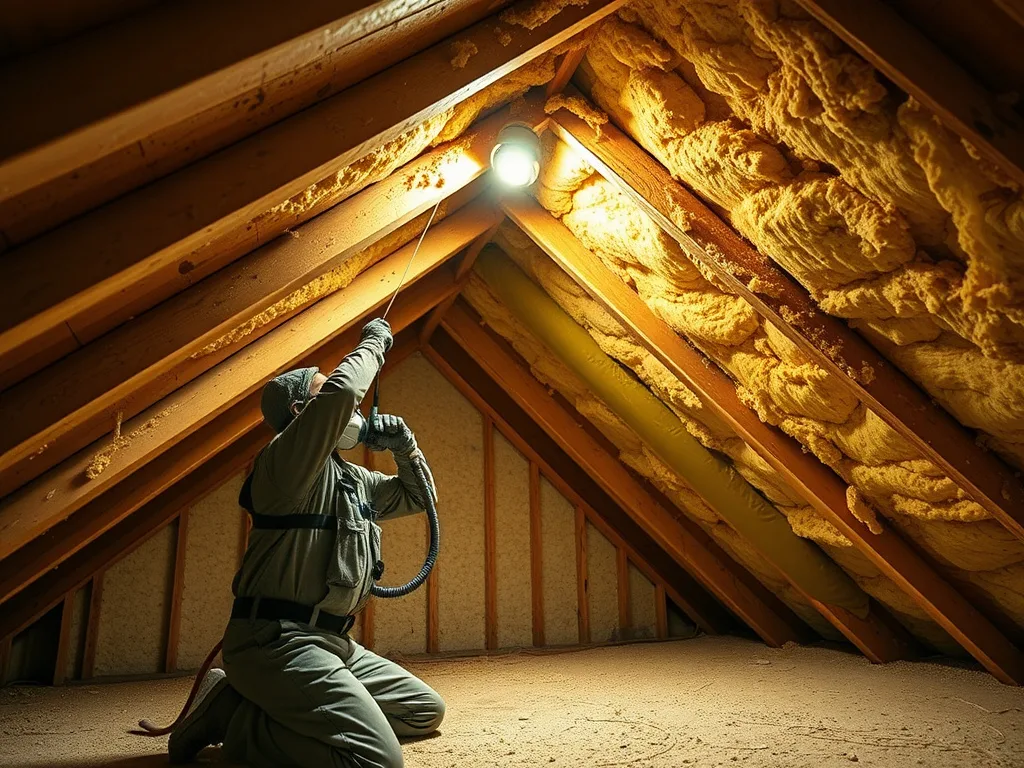
Attic Insulation
Phoenix attics hit 150°F+. A sealed, foamed attic can run within 10°F of your living space.
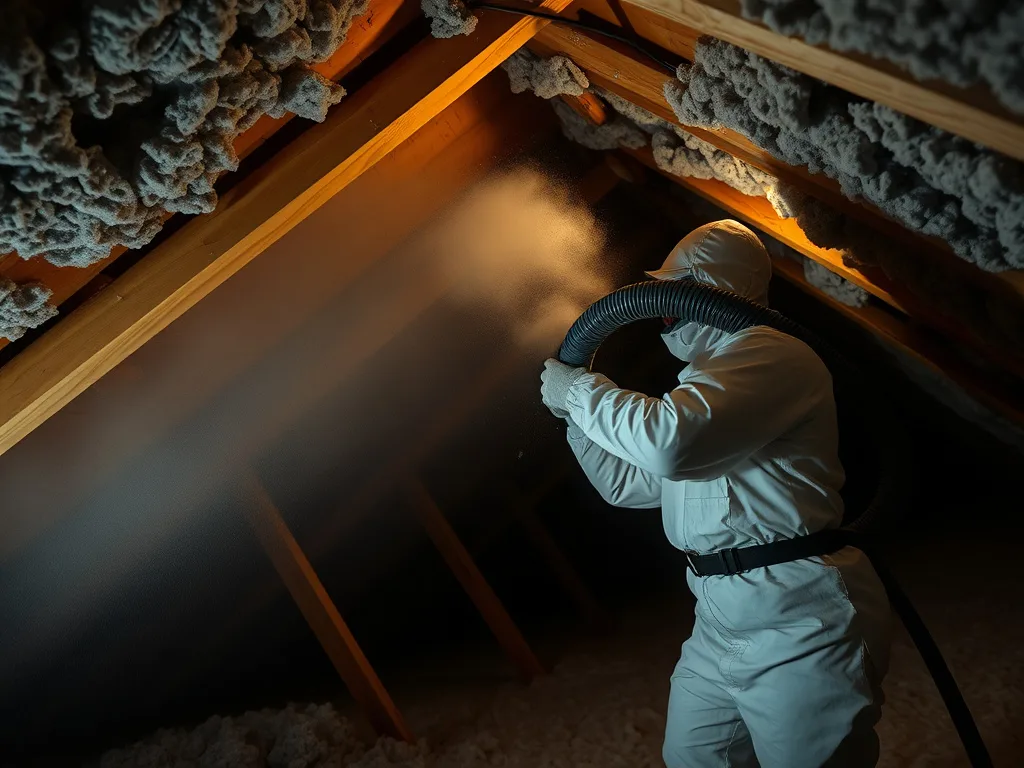
Insulation Removal
Roof rats, dust, and 30-year-old fiberglass — we vacuum it all out and replace it right.
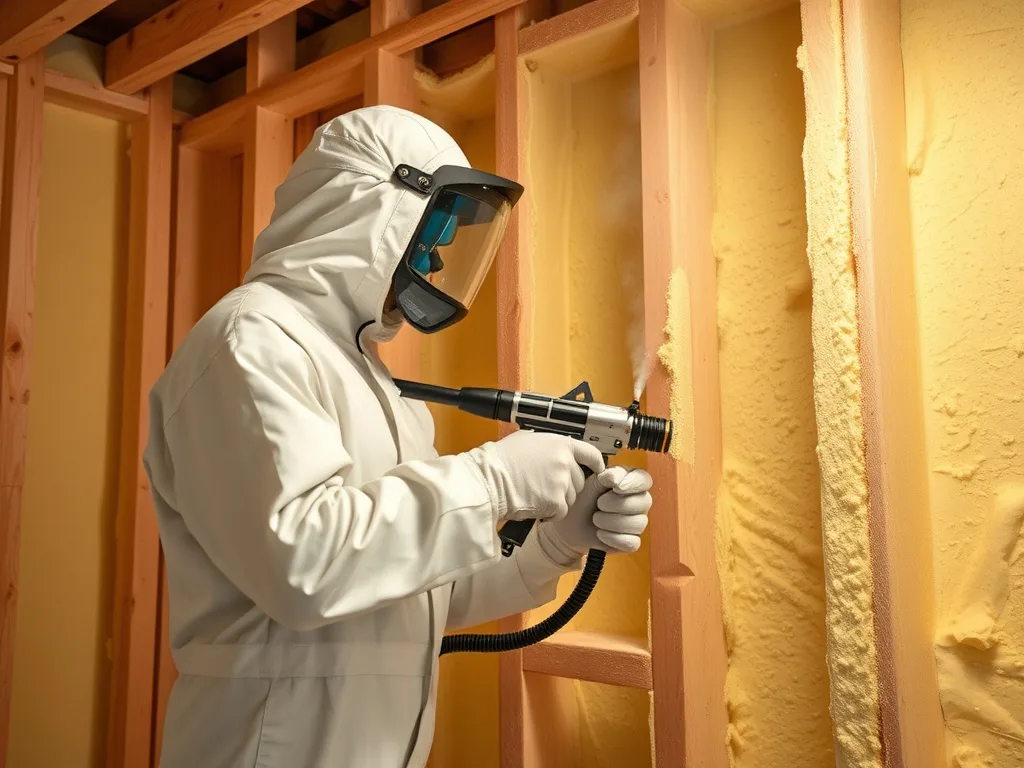
Open-Cell Spray Foam
Budget-friendly air sealing and sound control — the workhorse for Phoenix attics and interior walls.
Ready to Stop Paying to Cool the Desert?
Get a free, no-pressure spray foam quote for your Phoenix home or building. Most quotes delivered within 24 hours.