Phoenix Metro • Licensed Pros
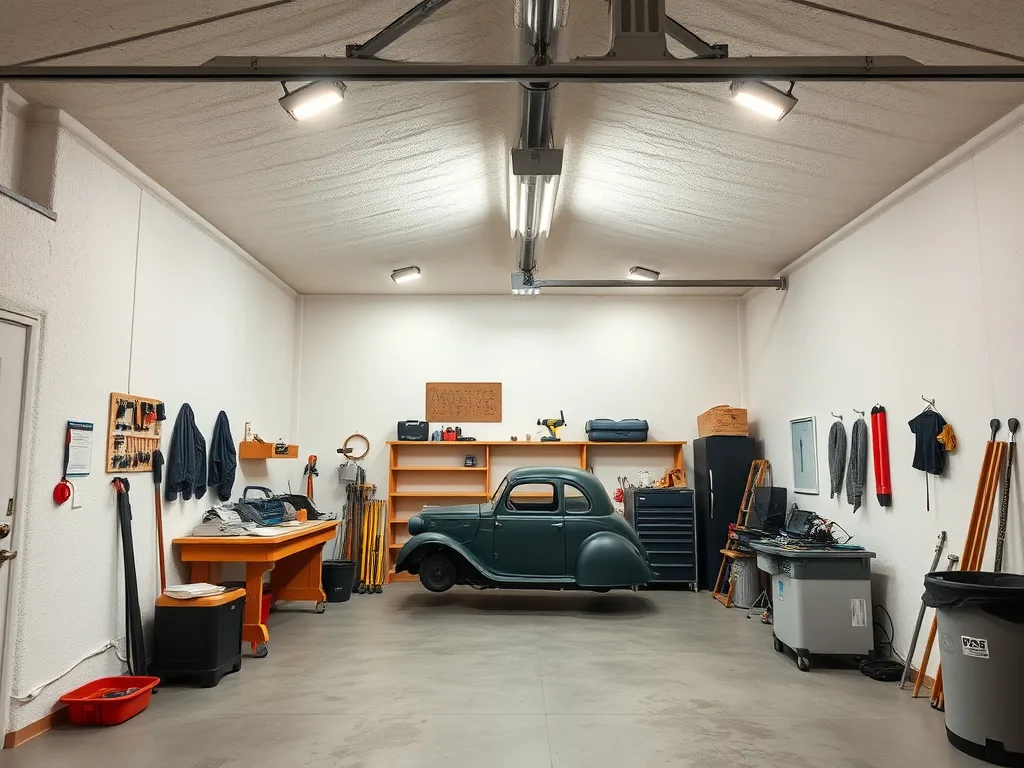
Garage & Shop Insulation in Phoenix
Stop working in a 120°F garage — foam turns shops into year-round usable space.
Step into a Phoenix garage at 4 PM in July and you are standing in 120–140°F air — a west-facing door and a black driveway can push it past what the thermometer in your kitchen would believe. That heat does not stay in the garage: it loads the bedroom wall next to it, bakes the bonus room above it, and cooks everything you store in it. Spray foam turns that space into something you can actually use — a shop, a gym, an office — twelve months a year.
120–140°F
Phoenix garage interiors
Typical summer temperatures behind a west-facing door — hotter than the attic code cares about.
1–1.5 tons
Mini-split after foam
A foamed two-car garage holds setpoint on a small head instead of the 2-ton unit a bare garage needs.
R-6–7/in
Closed-cell on metal
The spec for detached metal shops and RV garages — R-value, rigidity, and condensation control in one pass.
The Phoenix Garage Problem
A garage is the least protected room in a Valley home. It usually has zero insulation in the walls, a thin metal door facing the afternoon sun, an uninsulated ceiling with a 150°F attic above it, and a slab that soaks up heat radiating off the driveway. The result is a space that runs 120–140°F through the summer — and unlike the attic, you actually go in there, park in there, and store things in there.
The damage is not contained, either. Most Phoenix floor plans put bedrooms against the garage wall, and two-story homes park a bonus room directly on top of it. That shared drywall is often barely insulated, so the garage acts like a radiator pressed against the living space — it is a big reason the room over the garage is the hottest room in the house and the adjacent bedroom never quite matches the thermostat.
Heat also shortens the life of what you keep out there. Water heaters, freezers, tool batteries, paint, and the family EV all age faster in 130°F air. Cooling the garage starts with one decision: stop treating it as outside.
What to Insulate, and in What Order
Not every garage needs the full envelope, and an honest quote starts with which surfaces matter for your goals. If the mission is protecting the house — cooler adjacent bedrooms, a livable bonus room — the ceiling and shared walls come first. If the mission is a conditioned shop or gym, the whole envelope gets treated, door included.
Spray foam earns its place here the same way it does in the attic: air seal and R-value in one pass. Garage framing leaks at every plate, outlet, and slab joint, and foam closes those paths while insulating — which also cuts the dust, exhaust smell, and pest traffic that migrate from garage to house through unsealed shared walls.
- Ceiling under a bonus room — the number-one fix for the room that never cools
- Shared walls with the house — stops the garage from radiating into bedrooms
- Exterior walls and gables — required if you plan to condition the space
- Garage door — insulated panel doors or insert kits; the weakest surface either way
- Detached shop metal skin — closed-cell for R-value plus condensation control
Garage Conversions: Gyms, Shops, Offices, and Band Rooms
The Valley is full of two-car garages doing second jobs — home gyms, woodshops, home offices, band practice rooms — and the envelope is what decides whether the space works in July or only from November to March. Foam first, then the use case follows: a sealed garage holds temperature well enough that modest cooling keeps it comfortable through the worst of summer.
Open-cell foam brings a bonus that matters for two of those uses specifically: sound. It is a genuine absorber of airborne noise, which is why we spec it in the shared walls and ceilings of band rooms and drum spaces, and in office conversions near busy arterials and freeway corridors. The neighbors hear less of your practice sessions, and your conference calls hear less of the street.
For conversions the code items come with the territory, and we handle them in the scope rather than leaving them for the inspector to find. Foam in a garage must be covered by a thermal or ignition barrier — drywall or an approved intumescent coating — and a gas water heater or furnace in the garage needs its combustion air and venting respected when the space gets sealed. That check is part of every garage job we quote.
Foam First, Then the Mini-Split
The order of operations saves real money: insulate first, then size the cooling. A bare Phoenix garage needs roughly a 2-ton unit fighting a losing battle against uninsulated walls and a hot door. Foam the envelope first and the load drops enough that a 1 to 1.5-ton mini-split head holds setpoint — smaller equipment, lower install cost, and dramatically lower run cost for the life of the room.
The same envelope keeps the equipment honest year-round. A sealed garage coasts through Phoenix's mild winters with almost no heating input, and during monsoon season the air seal keeps humid outdoor air from loading the little unit the way it would in a leaky space. If you are on a time-of-use plan like SRP EZ-3 or an APS time-of-use plan, a tight garage can pre-cool off-peak and hold it, same as the house.
Detached Shops, Metal Buildings, and RV Garages
Detached metal shops and RV garages are their own animal, and the spec changes accordingly: closed-cell foam applied directly to the metal skin. At R-6 to R-7 per inch, two to three inches delivers serious thermal performance, and because closed-cell becomes a vapor retarder at two inches or more, it eliminates the condensation that drips off metal roof panels on cool mornings after monsoon storms — the raining ceiling that ruins whatever is parked or stored underneath.
Closed-cell also bonds to the panels and stiffens them, cutting the drum-like flex and rattle of a metal building in the wind. For the Lake Pleasant corridor toy shops and Peoria RV garages we see constantly, that combination — R-value, dry ceiling, quieter building — is exactly what the space needs to protect six-figure vehicles from 140°F storage conditions.
What Garage Insulation Costs in Phoenix
Garage work follows the same board-foot pricing as the rest of the trade: open-cell at $0.45–$0.90 per board foot, closed-cell at $1.00–$1.65. A board foot is one square foot at one inch thick, so a 400 sq ft garage ceiling sprayed at 3 inches is 1,200 board feet — the math is simple enough that we show it on every quote. Keep in mind most contractors, us included, carry a $1,500–$2,000 minimum job charge, so pairing the garage with attic work often makes the best use of a mobilization.
As a reference point, 1,000 sq ft of foam at 3 inches runs $1,800–$4,500 depending on foam type — which brackets most garage envelope jobs. Here is how typical projects pencil out.
| Project | Typical spec | Ballpark range |
|---|---|---|
| Garage ceiling under bonus room (~400 sq ft) | Open-cell, 3–5.5 in | $1,500–$2,500 (minimum applies) |
| Shared walls + ceiling, 2-car garage | Open-cell, 3 in | $1,800–$3,200 |
| Full 2-car garage envelope for conversion | Open-cell walls/ceiling + door upgrade | $2,500–$4,500 |
| Detached metal shop or RV garage (~1,000 sq ft skin) | Closed-cell, 2–3 in | $2,400–$4,500+ |
| Add-on with attic project | Same mobilization | Best per-foot pricing |
Code Notes: Barriers, Water Heaters, and Doing It Right
Two code items separate a professional garage foam job from a future headache. First, exposed foam in a garage must be covered: either a thermal barrier like drywall or an approved ignition barrier or intumescent coating over the foam. Which one applies depends on the space and how it is used, and we price the correct barrier into the quote instead of leaving bare foam and a problem at resale inspection.
Second, combustion appliances. Many Phoenix garages host a gas water heater or furnace, and sealing the envelope changes the air those appliances draw for combustion. We verify combustion air openings and venting as part of the scope so the tightened garage stays safe, not just cool. It is a five-minute check that too many crews skip — ask any home inspector what they find behind fresh foam. Call 844-967-5247 for a free garage assessment and a quote with the board-foot math shown.
- Thermal barrier (drywall) or ignition barrier coating over all garage foam — included in scope
- Combustion air and venting check for gas water heaters and furnaces
- Free assessment with measurements and fixed quote before any work
- Most garage jobs completed in a single day
Common Questions
Garage & Shop FAQs
Straight answers from the crew that does the work. More on our full FAQ page.
Have a different question? Read all 26 FAQs or see our 2026 Phoenix cost guide.
Related Services
You Might Also Need

Closed-Cell Spray Foam
Maximum R-value per inch plus a built-in moisture barrier — ideal for metal buildings and block walls.
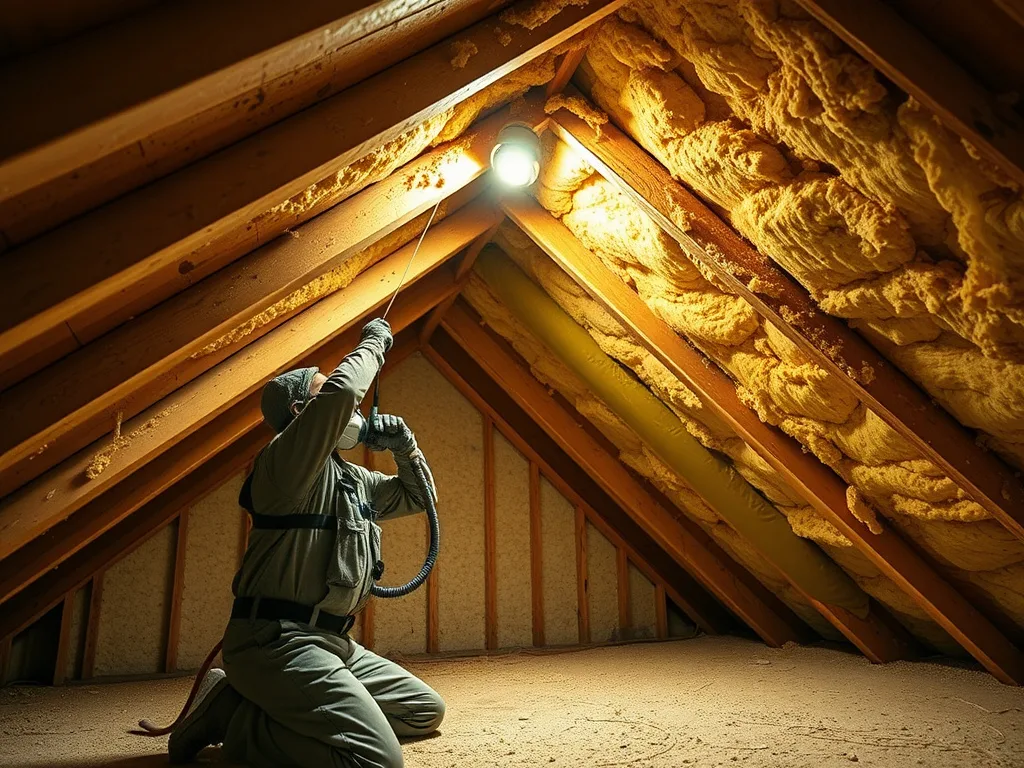
Attic Insulation
Phoenix attics hit 150°F+. A sealed, foamed attic can run within 10°F of your living space.
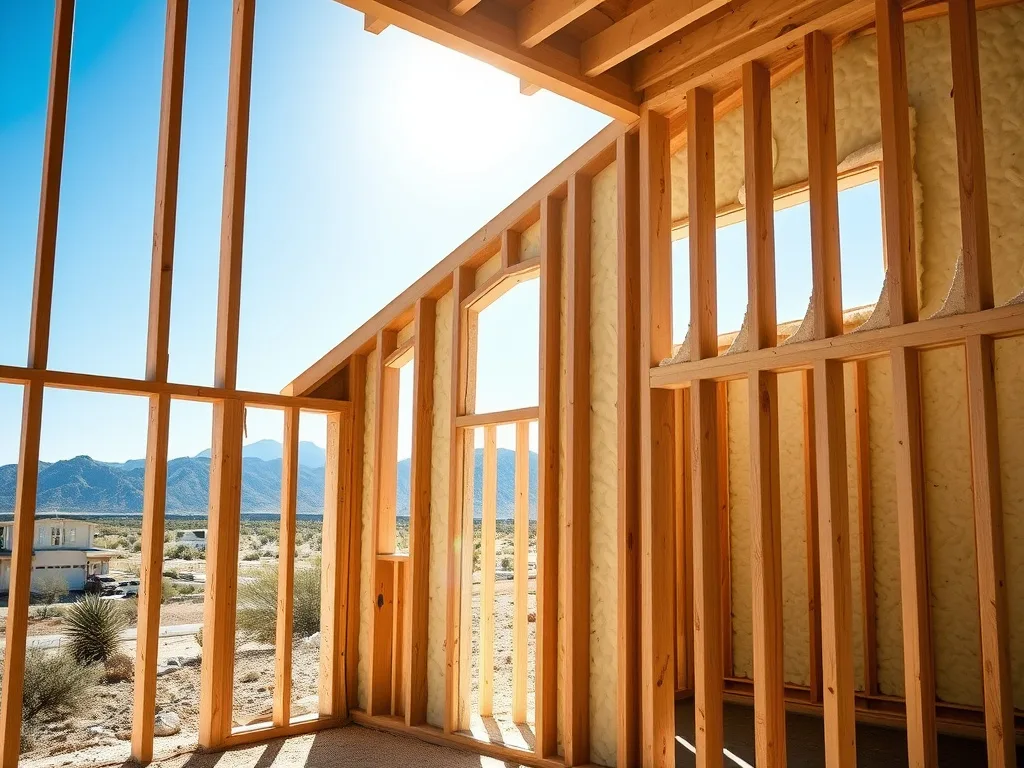
New Construction
Build it tight from day one — sealed envelopes, smaller HVAC, better HERS scores.
Ready to Stop Paying to Cool the Desert?
Get a free, no-pressure spray foam quote for your Phoenix home or building. Most quotes delivered within 24 hours.